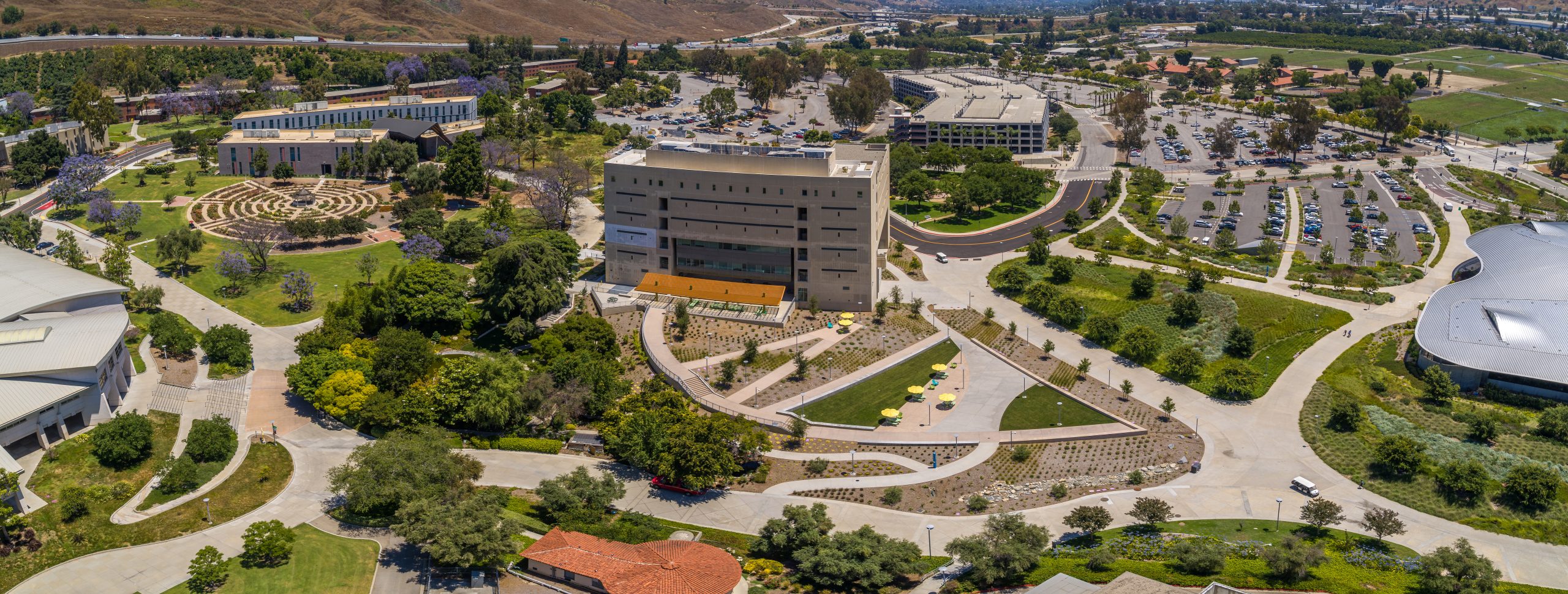


Overview
CSSSA is pleased to announce a new discipline in Architecture and Environmental Design (AED). The Architecture and Environmental Design discipline introduces students to the relationship between the built environment, ecology, and human wellbeing. Through hands-on design projects, students explore how architecture can respond to climate, landscape, resource use, and community needs in thoughtful and responsible ways. The program encourages creative problem solving while building a foundation in environmental awareness, design thinking, and spatial understanding.
Students are introduced to principles of regenerative design, where buildings and landscapes are seen as interconnected systems rather than separate parts. By studying sustainable materials, passive environmental strategies, water systems, and site-responsive design, students begin to understand how architecture can do more than reduce harm. It can actively contribute to healthier ecosystems and more resilient communities.
Students currently enrolled in grades 8 through 12 are eligible to apply. (CSSSA is open to students entering grades 9, 10, 11 or 12 next fall 2025. CSSSA is also open to students who are graduating from high school in the spring of 2025. You can still do the program the summer after graduation.)
Architecture & Environmental Design Curriculum
Curriculum
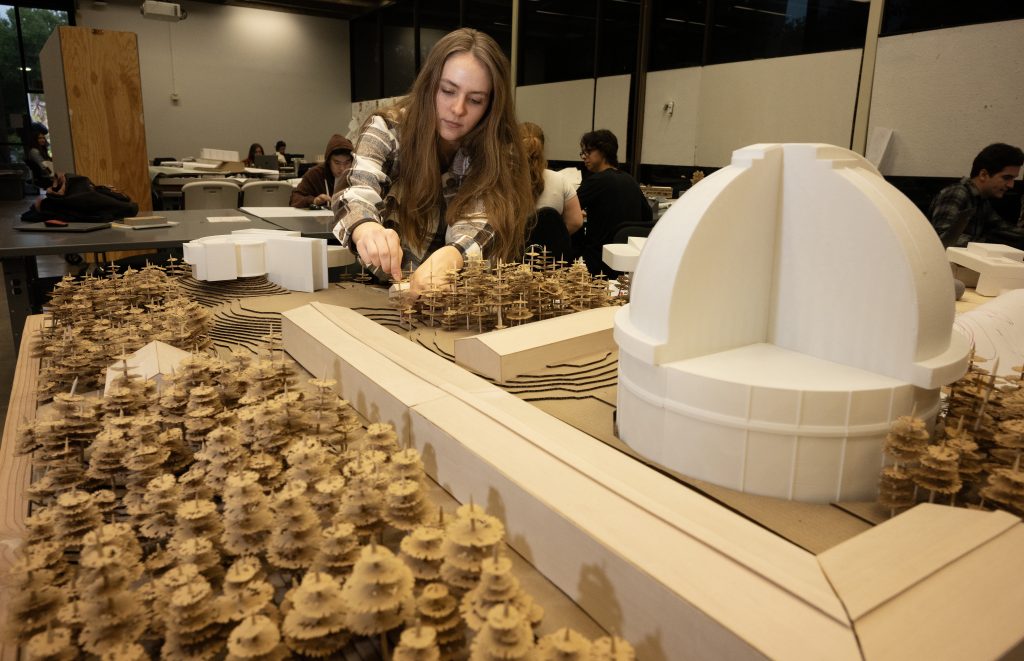
Students engage in a studio-based curriculum that combines design, environmental analysis, and hands-on model making. Coursework introduces the fundamentals of architectural drawing, site planning, material exploration, and spatial design, while also examining how climate, energy, water, and ecology influence the places we create. Students are encouraged to think critically about how design decisions affect both people and the natural world.
Throughout the program, students develop projects that connect architecture with regenerative systems, including passive solar design, water harvesting, landscape integration, and the use of natural or low-impact building materials. The curriculum supports both conceptual thinking and practical application, helping students build skills in observation, problem solving, and environmental stewardship while imagining spaces that are functional, beautiful, and rooted in place.
Program Instructors
Rohan Guyot-Sutherland
Department Chair
Rohan Guyot-Sutherland is a regenerative designer, builder, and educator based in Los Angeles County, and the founder of Regenerative Systems, a design-build practice creating self-sufficient homes and landscapes that integrate water, energy, food, and waste into cohesive living systems. His work blends natural building with modern technologies, spanning projects from fire-resistant off-grid homes in California to community-scale regenerative systems internationally, while his teaching at Cal Poly Pomona and workshops emphasize hands-on learning, systems thinking, and designing for net-positive ecological impact.
Regenerative Systems – Building Resilience through Holistic Solutions
Robert Cichocki
Faculty
Robert is a licensed architect in California with over 15 years of experience working in the industry. He holds a master’s degree in architecture from Ball State University in Indiana with a concentration in digital fabrication and design technologies. Robert is passionate about traditional building methods and its ability to foster strong community participation, environmental regeneration, and meaningful connection to place. A few of his favorite projects include designing a farmer’s market in rural New England and the hands-on construction of a super-adobe shelter in California. In addition to these favorites, he has also designed buildings ranging from modern luxury homes, retail stores, and university campus buildings. As faculty at CSSSA, Robert is excited to share his experiences and knowledge to inspire a new generation of talented architects. As an educator, he emphasizes the importance of active participation through discussion, making, and reflection.
Andrew Leung
Faculty
Andrew is a fourth-year architecture student at Calpoly Pomona, preparing to enter his fifth and final year of study. Since May 2025, he has worked with Rohan’s Regenerative Systems, contributing to the Casa Atlas project in San Francisco, as well as supporting community initiatives, residential design, and surveying work in Ojai. Prior to this, he gained hands-on experience as an assistant builder for Antonio Anfiteatro, a lecturer at Citrus College and Cal Poly Pomona, and collaborated with FoxLin Architects on a residential project in Joshua Tree. In 2026, Andrew was awarded second place in the 47th Coalition for Adequate School Housing competition and was selected for Cal Poly Pomona’s Spring 2026 Interim program. On campus, he is known for tutoring peers in design theory, critical thinking, software, and graphical presentation techniques. He currently serves as a student docent at the Neutra VDL House in Los Angeles, where he leads tours of Richard Neutra’s former residence. Andrew brings a strong focus on bridging digital design and physical making, with an emphasis on teaching students how to use architectural software and translate those designs into tangible forms through 3D printing.
Regenerative Systems – Building Resilience through Holistic Solutions
Frances Enriquez
Teaching Assistant
Frances Enriquez is an architecture student pursuing a Bachelor of Architecture with a minor in Regenerative Studies. With extensive experience in both fine art and digital media, she is interested in how creative practice can shape space and strengthen connections between people and their environments. She has collaborated on projects with Regenerative Systems and participated in design competitions with the U.S. Green Building Council California and the Design-Build Institute of America. As a Teaching Assistant, she looks forward to helping students explore new ideas, experiment with different approaches, and build confidence in their work across both digital and hands-on mediums.