

Overview
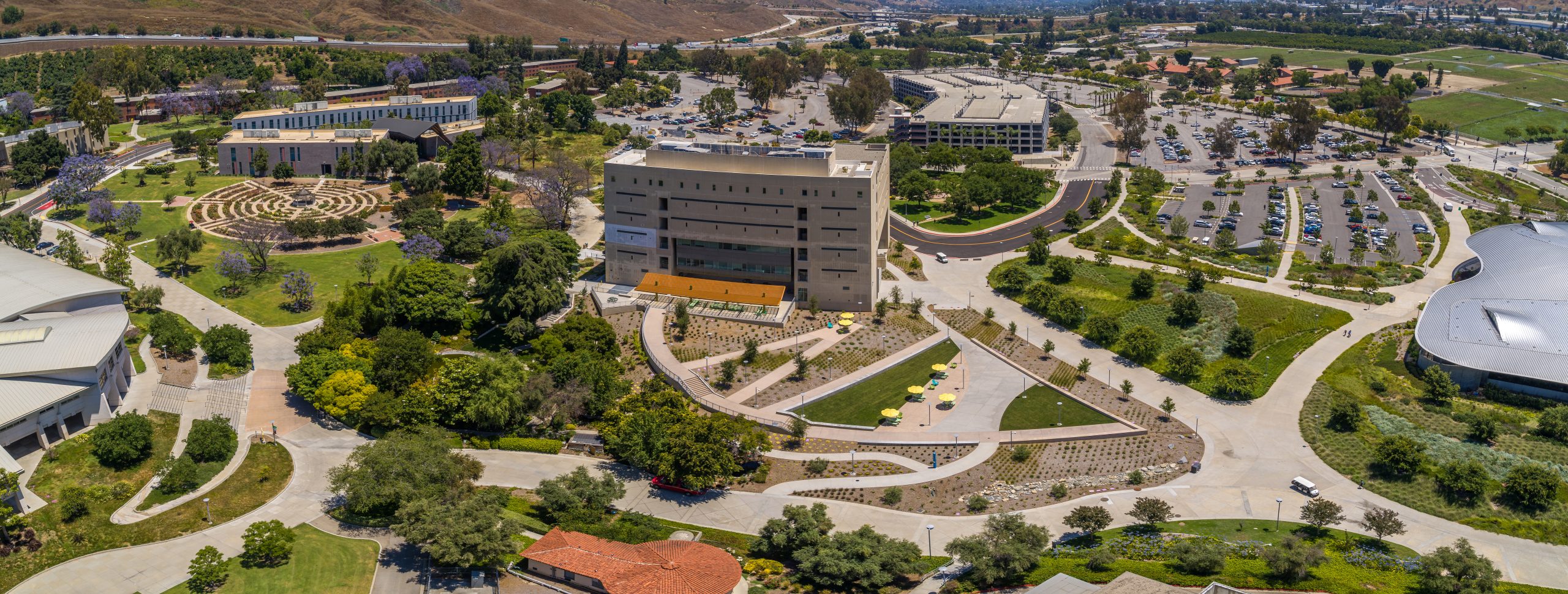
CSSSA is pleased to announce a new discipline in Architecture and Environmental Design (AED). The Architecture and Environmental Design discipline introduces students to the relationship between the built environment, ecology, and human wellbeing. Through hands-on design projects, students explore how architecture can respond to climate, landscape, resource use, and community needs in thoughtful and responsible ways. The program encourages creative problem solving while building a foundation in environmental awareness, design thinking, and spatial understanding.
Students are introduced to principles of regenerative design, where buildings and landscapes are seen as interconnected systems rather than separate parts. By studying sustainable materials, passive environmental strategies, water systems, and site-responsive design, students begin to understand how architecture can do more than reduce harm. It can actively contribute to healthier ecosystems and more resilient communities.
Students currently enrolled in grades 8 through 12 are eligible to apply. (CSSSA is open to students entering grades 9, 10, 11 or 12 next fall 2025. CSSSA is also open to students who are graduating from high school in the spring of 2025. You can still do the program the summer after graduation.)
Architecture + Environmental Design Curriculum
Curriculum
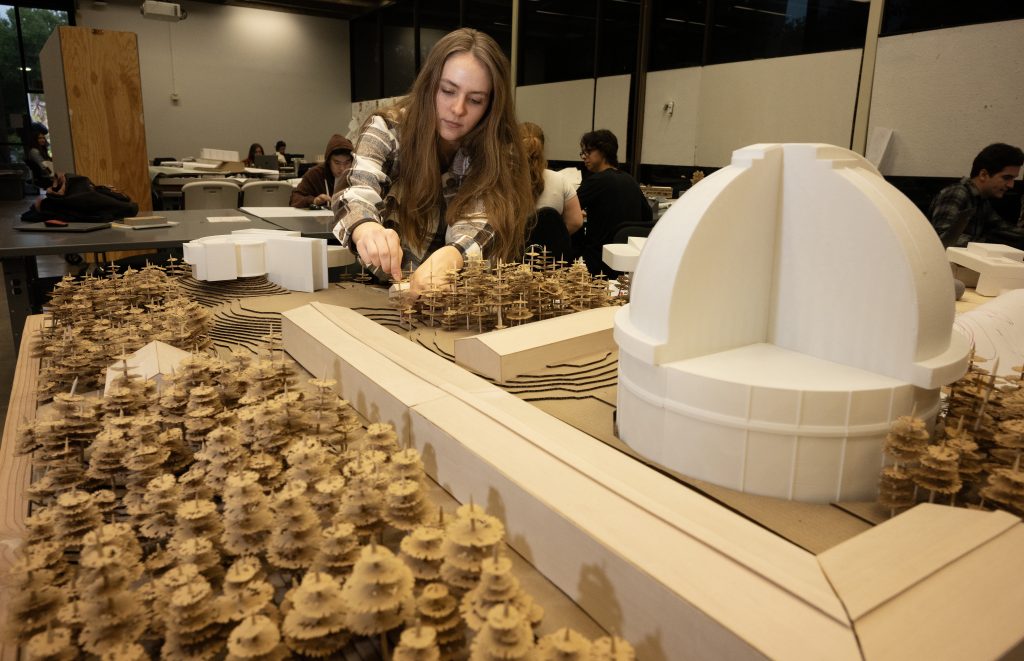
Students engage in a studio-based curriculum that combines design, environmental analysis, and hands-on model making. Coursework introduces the fundamentals of architectural drawing, site planning, material exploration, and spatial design, while also examining how climate, energy, water, and ecology influence the places we create. Students are encouraged to think critically about how design decisions affect both people and the natural world.
Throughout the program, students develop projects that connect architecture with regenerative systems, including passive solar design, water harvesting, landscape integration, and the use of natural or low-impact building materials. The curriculum supports both conceptual thinking and practical application, helping students build skills in observation, problem solving, and environmental stewardship while imagining spaces that are functional, beautiful, and rooted in place.
Program Instructors
Rohan Guyot-Sutherland
Department Chair
Rohan Guyot-Sutherland is a regenerative designer, builder, and educator based in Los Angeles County, and the founder of Regenerative Systems, a design-build practice creating self-sufficient homes and landscapes that integrate water, energy, food, and waste into cohesive living systems. His work blends natural building with modern technologies, spanning projects from fire-resistant off-grid homes in California to community-scale regenerative systems internationally, while his teaching at Cal Poly Pomona and workshops emphasize hands-on learning, systems thinking, and designing for net-positive ecological impact.
Regenerative Systems – Building Resilience through Holistic Solutions